Beekeeping Software for New York Beekeepers: Empire State Varroa Tracking
New York has over 15,000 registered beekeepers, making it one of the largest beekeeping states by beekeeper count in the country. That number includes urban rooftop beekeepers in Brooklyn, commercial operations in the Finger Lakes, and hobbyists scattered from Long Island to the Adirondacks. The climate range across this state is enormous, and a single treatment calendar doesn't serve all of them equally.
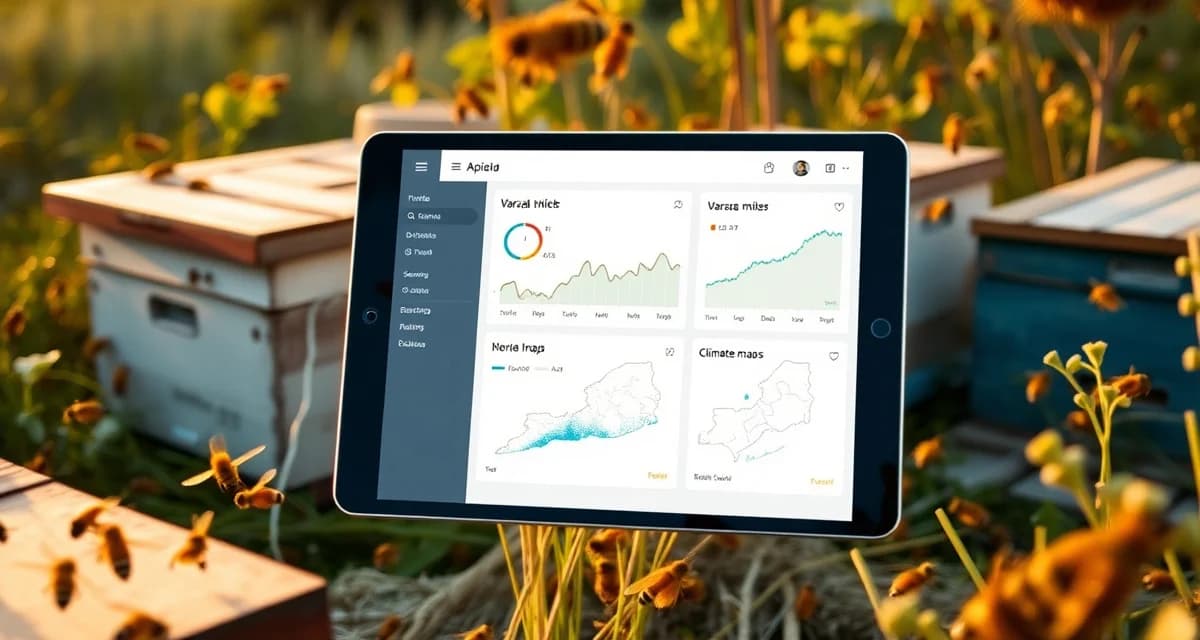
VarroaVault tracks treatments, generates NYSDAM-compliant records, and alerts you to treatment timing based on your specific location in New York, not a statewide average that fits nobody perfectly.
TL;DR
- New York's climate means ranges from the warm Hudson Valley to cold Adirondacks, creating different treatment calendars by region
- fall treatment before september is the highest-leverage window across most of the state
- All EPA-registered varroa treatments are available in New York; check with your state apiarist for local restrictions
- Monthly mite monitoring (every 30 days) is recommended year-round to catch pressure spikes early
- PHI management is important around New York's nectar flows to avoid contaminating honey
- VarroaVault exports treatment records formatted for New York state inspection requirements
New York's Regional Climate Variation
New York spans USDA zones 3 through 7. That's a wider range than most people realize.
New York City and Long Island (Zone 7): Urban beekeeping with relatively mild winters, high reinfestation risk due to colony density, and a treatment calendar that extends later into fall than upstate counterparts. First reliable broodless conditions may not arrive until December.
Hudson Valley and Central NY (Zone 5-6): The most "typical" New York beekeeping climate. Fall treatment window in August-September. Broodless OA window in November-December. Productive honey season from May through September.
Finger Lakes and Western NY (Zone 5-6): Similar to Central NY but with local climate moderation from the lakes. Strong fruit tree and clover flows in May and June.
Adirondacks and North Country (Zone 3-4): Short season, early fall deadlines, cold winters. A beekeeper outside of Saranac Lake is working a compressed calendar much closer to Vermont or northern Maine than to Westchester County.
Upstate vs. NYC Treatment Timing
The timing gap between upstate and downstate beekeeping is real. Adirondack beekeepers in zones 3-4 should complete their fall treatment for winter bee protection by early to mid-August. NYC and Long Island beekeepers in zone 7 have until mid-September for the same protective window.
That's a four to six week difference between the northern and southern ends of the state, and applying the wrong timing to your location means missing your actual window.
VarroaVault's New York setup asks for your USDA zone when you add an apiary. The treatment calendar and alert timing adjust from there. NYC apiaries get later fall alerts and year-round reinfestation risk flags. North Country apiaries get early fall countdown alerts and compressed seasonal monitoring schedules.
For more on spring mite management as the season opens, that guide covers the timing science for Northeast beekeepers in detail.
NYSDAM Compliance Records
New York's Department of Agriculture and Markets (NYSDAM) requires beekeepers to register apiaries and maintain treatment records available for inspection. NYSDAM runs an active apiary inspection program, particularly for commercial operations.
VarroaVault's NYSDAM apiary inspection export is formatted and ready for inspector review in one click. Your records include all required fields: treatment product, application date, dose, colony identifier, and beekeeper registration number. The full treatment history for any hive or apiary exports as a PDF or CSV on demand.
For a full overview of New York and other states' documentation requirements, see our state inspection requirements for treated hives guide.
Urban Beekeeping and Reinfestation in NYC
New York City beekeeping presents a specific varroa challenge: high colony density in a small geographic area increases mite reinfestation risk. Robbing events and bee drift between rooftop apiaries and community gardens can undo a treatment faster in NYC than in a rural location.
VarroaVault flags high reinfestation risk for urban apiaries in dense postal codes. NYC apiaries get a recommended 3-week monitoring interval rather than the standard 4-6 weeks, and post-treatment follow-up reminders arrive at 3 weeks to catch reinfestation before it climbs back to threshold.
Frequently Asked Questions
What records does New York NYSDAM require?
NYSDAM requires documentation of treatments applied to registered colonies, including the product name, application date, amount applied, colony or apiary identification, and the beekeeper's registration number. Records must be maintained and available during apiary inspections. VarroaVault meets these requirements automatically and generates exports on demand.
When is the best treatment window for upstate New York?
For most of upstate New York (zones 4-6), the critical fall treatment window for winter bee protection is late July through August. North Country beekeepers in zones 3-4 should push their timeline even earlier, aiming for early August as the deadline for their primary fall treatment. A broodless OA treatment in November closes the program for most of upstate NY.
Does VarroaVault handle NYC versus upstate climate differences?
Yes. Each apiary you add in VarroaVault is assigned its own USDA zone. NYC apiaries in zone 7 get a different treatment calendar and alert timing than Adirondack apiaries in zone 3-4. Urban NYC apiaries also get reinfestation risk flags and adjusted monitoring frequency recommendations. Multiple apiaries in the same account can have entirely different settings reflecting real climate differences.
Is VarroaVault available to beekeepers in New York?
Yes. VarroaVault is available to beekeepers across all 50 states including New York. The app supports state-specific PHI calendars, monitoring reminders calibrated to your region's nectar flow and temperature patterns, and export formats suitable for New York apiary inspection requirements.
What records does the New York state apiarist expect during an apiary inspection?
While requirements vary and you should confirm with your state apiarist, most states expect treatment records that include the product name, EPA registration number, application dates, hive identifiers, and applicant name. Beekeepers in New York should also be prepared to document mite count results from the monitoring periods before and after each treatment. VarroaVault's export function generates this information in a formatted PDF.
Does VarroaVault support tracking multiple apiaries in New York?
Yes. VarroaVault supports unlimited apiary locations within a single account. Each apiary can have its own set of hives with individual treatment and mite count records. For New York beekeepers managing multiple yards across different counties or climate zones, yard-level reporting allows you to compare mite pressure and treatment efficacy between locations.
What is Beekeeping Software for New York Beekeepers: Empire State Varroa Tracking?
VarroaVault is beekeeping management software designed to help New York beekeepers track varroa mite infestations and treatment schedules. It accounts for New York's diverse climate zones—from the warm Hudson Valley to the cold Adirondacks—generating location-specific treatment alerts rather than statewide averages. The platform also produces NYSDAM-compliant inspection records, making it a practical tool for hobbyists, urban rooftop beekeepers, and commercial operations across the Empire State.
How much does Beekeeping Software for New York Beekeepers: Empire State Varroa Tracking cost?
VarroaVault offers tiered pricing to accommodate hobbyists through commercial beekeepers. Specific plan costs are available on the VarroaVault pricing page. Given that varroa-related colony losses can cost hundreds of dollars per hive, most beekeepers find that structured tracking software pays for itself quickly by preventing missed treatment windows and improving colony survival rates through New York's challenging winters.
How does Beekeeping Software for New York Beekeepers: Empire State Varroa Tracking work?
VarroaVault works by letting you log your hive locations, mite counts, and treatment applications. Using your specific New York location, it calculates region-appropriate treatment timing alerts—critical since beekeepers in the Finger Lakes and Long Island face different seasonal windows. The software tracks pre-harvest intervals (PHI) around nectar flows, flags when monthly mite monitoring is due, and exports treatment records formatted for New York state inspection requirements.
What are the benefits of Beekeeping Software for New York Beekeepers: Empire State Varroa Tracking?
VarroaVault helps New York beekeepers stay ahead of varroa pressure with location-specific alerts instead of generic statewide calendars. Key benefits include NYSDAM-compliant record exports, PHI management to protect honey around nectar flows, and monthly monitoring reminders. For beekeepers managing multiple hives across different microclimates—urban Brooklyn rooftops to rural Adirondack apiaries—centralized tracking reduces record-keeping burden and improves treatment decisions that directly impact winter survival rates.
Who needs Beekeeping Software for New York Beekeepers: Empire State Varroa Tracking?
Any New York beekeeper who manages varroa with more than casual attention will benefit from VarroaVault. This includes urban hobbyists with rooftop hives in New York City, mid-scale hobbyists in suburban or rural settings, and commercial operations in the Finger Lakes or Hudson Valley. It is especially valuable for beekeepers who need to maintain inspection-ready records for NYSDAM compliance or who manage hives across multiple locations with different regional treatment timing needs.
Related Articles
Sources
- American Beekeeping Federation (ABF)
- USDA ARS Bee Research Laboratory
- Honey Bee Health Coalition
- Penn State Extension Apiculture Program
- Project Apis m.
Get Started with VarroaVault
New York beekeepers face specific varroa management challenges that generic beekeeping apps are not designed around. VarroaVault handles monitoring reminders, PHI tracking, treatment efficacy scoring, and state inspection export in a single tool built specifically for varroa management. See pricing and free tools at varroavault.com.