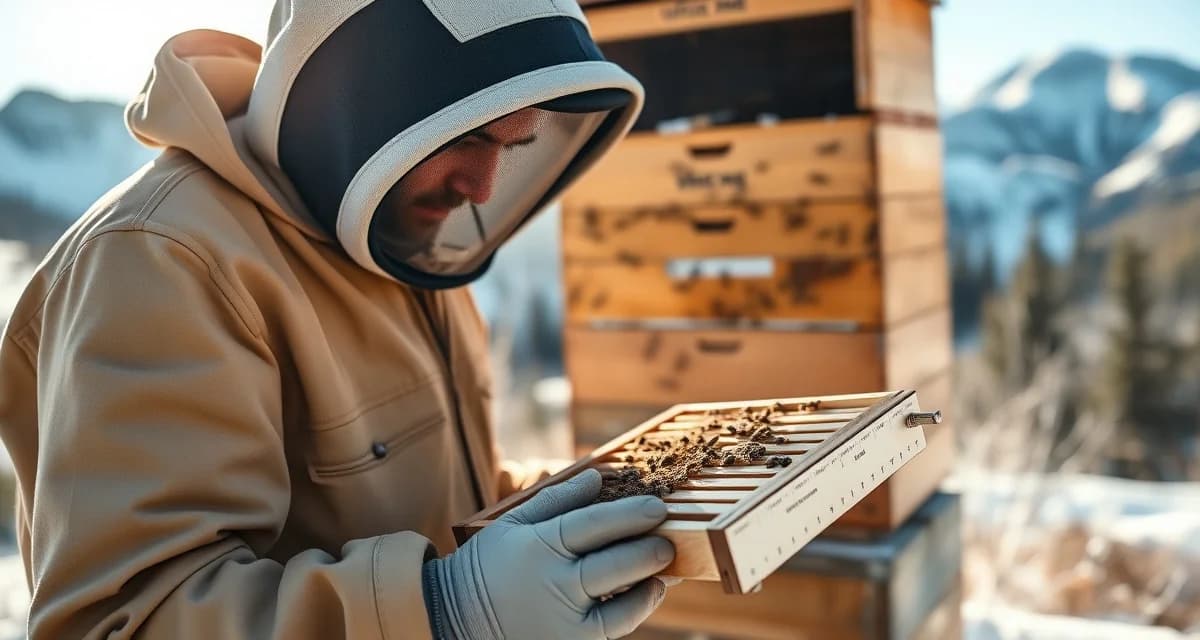
Varroa Management in Idaho: Mountain Climate and Strong Winter Broodless Period
Idaho's climate varies dramatically from the arid Snake River Plain at low elevations to the northern panhandle and mountain ranges, where winters are long and cold. What most of Idaho shares, however, is a reliable and often extended winter broodless period that provides one of beekeeping's best tools for varroa control.
Idaho's Climate and Its Impact on Brood Timing
In the high-elevation areas of central and northern Idaho, colonies typically become broodless by November and may remain so until late February or March. In the Snake River Valley and southern Idaho, the season is slightly longer, with broodlessness usually established by December and breaking in February.
This broodless window is a genuine management opportunity. During confirmed broodlessness, all mites are phoretic on adult bees. A single oxalic acid vaporization treatment during this period can reduce mite populations by 90% or more. Three treatments five days apart provide even higher knockdown if any brood remnants are present.
Seasonal Treatment Protocol for Idaho
Idaho's management calendar aligns well with a fall-OAV-spring rotation:
August: Remove honey supers after the main nectar flow ends. Nectar sources in Idaho vary by elevation, but most operations in the agricultural valleys finish their main flow by late July or early August. Apply Apivar strips immediately after the last super comes off. Getting amitraz in by mid-August protects winter bee development.
September to October: Apivar strips remain in place. Monitor a sample of hives for mite counts to verify treatment is working. Strips out after 6 to 8 weeks.
November to December: First mite count after treatment. If broodlessness has begun, apply OAV. In northern Idaho, broodlessness may begin as early as mid-November. In the valley, December is more typical. Verify broodlessness by inspecting before treating.
January: Apply the second OAV application during the broodless period if the first was done in November-December, or apply the primary OAV treatment if this is the first opportunity. This is the most effective single treatment a northern beekeeper can apply.
February to March: Depending on when spring buildup begins in your location, early mite counts help establish a pre-spring baseline. If counts are low post-OAV, you may be clear through early flow.
May: Mite count before the spring flow. Treat if above threshold using thymol or a rotation product with appropriate PHI management if supers will go on soon.
Idaho-Specific Challenges
Altitude variation. An operation running hives at 3,000 feet in the valley and 5,500 feet in mountain yards faces very different timing for the same calendar date. Broodlessness arrives earlier and stays longer at elevation. Adjust your OAV timing independently for each yard based on confirmed conditions, not a single calendar date.
Migratory operations. Some Idaho beekeepers move hives to California for almond pollination in January and February. This interrupts the winter broodless period management and means hives may return in March with mite loads that need immediate attention. Plan a mite count and treatment within the first week after hives return from out-of-state placement.
Limited late-season forage. Idaho summers at lower elevations can be dry, reducing late-season forage and colony population. Colonies entering fall below the 6 to 8 frame population threshold benefit from fall feeding alongside varroa treatment to ensure adequate winter stores.
OAV Safety at Altitude
At higher elevations, lower air density means OAV vapor disperses differently in enclosed spaces. This is a practical safety note for treating in confined equipment sheds or when weather conditions limit outdoor treatment. Standard OAV safety protocol applies regardless of altitude: properly fitted acid-rated respirator, nitrile gloves, full eye protection, and treating in well-ventilated conditions.
Tracking Idaho's Extended Season
Because Idaho's broodless period can last three to four months in mountain locations, some beekeepers apply OAV twice during the winter: once in late November or December and again in January or February. Tracking the sequence matters. Both treatments should be applied during confirmed broodlessness. If you apply in late November and then again in late January after a warm spell triggered the queen to start laying, you may be treating during brood-on conditions without realizing it.
VarroaVault's treatment log captures application date alongside a brood status field. Recording whether broodlessness was confirmed at each treatment gives you a complete record and the context to interpret your post-treatment efficacy data accurately. Combined with the mite count log, you can see how your double-OAV winter protocol is performing across your yards and whether the second application is adding meaningful efficacy.
FAQ
What is Varroa Management in Idaho: Mountain Climate and Strong Winter Broodless Period?
Varroa management in Idaho refers to the seasonal strategies beekeepers use to control Varroa destructor mite populations in their colonies, taking advantage of Idaho's distinct climate zones. From the Snake River Plain to the northern panhandle, Idaho beekeepers benefit from a reliable winter broodless period—typically November through February or March—during which targeted treatments like oxalic acid vaporization (OAV) are most effective. This regional approach tailors treatment timing to Idaho's elevation-driven seasonal patterns.
How much does Varroa Management in Idaho: Mountain Climate and Strong Winter Broodless Period cost?
Varroa management itself has no fixed cost—it's a set of practices, not a product or service. The primary expense is treatment supplies: oxalic acid vaporizers run $50–$300, and oxalic acid solution or dribble kits cost under $20 per season. Mite-monitoring supplies like alcohol wash kits are inexpensive. The real cost of neglecting Varroa management is far higher—untreated colonies typically collapse within one to three years, losing the beekeeper hives, equipment, and future honey production.
How does Varroa Management in Idaho: Mountain Climate and Strong Winter Broodless Period work?
Idaho's Varroa management works by aligning treatment with the colony's natural brood cycle. During the winter broodless period, all mites are exposed on adult bees with no capped brood to hide in. A single oxalic acid vaporization can eliminate over 90% of mites in this window. Outside of winter, a fall-OAV-spring rotation is used: treat in August after honey supers are removed, treat again during confirmed broodlessness in winter, and monitor closely in spring before populations rebound.
What are the benefits of Varroa Management in Idaho: Mountain Climate and Strong Winter Broodless Period?
The primary benefit is dramatically reduced mite loads with minimal chemical intervention. Idaho's long broodless window makes OAV treatments especially potent—colonies can enter spring with near-zero mite counts. This reduces the need for in-season treatments that require honey super removal. Healthier colonies overwinter better, build faster in spring, and produce stronger honey crops. Consistent Varroa management also reduces virus transmission within apiaries, protecting neighboring hives and supporting overall colony longevity.
Who needs Varroa Management in Idaho: Mountain Climate and Strong Winter Broodless Period?
Any Idaho beekeeper keeping honey bees needs a Varroa management plan. Varroa destructor is present in virtually all unmanaged colonies and will devastate untreated hives. Hobbyist beekeepers with one or two hives, sideliners managing dozens, and commercial operations all face the same mite pressure. High-elevation beekeepers with earlier broodless periods have a natural head start, but all Idaho beekeepers—regardless of location—must monitor and treat to keep colonies alive.
How long does Varroa Management in Idaho: Mountain Climate and Strong Winter Broodless Period take?
A complete Idaho Varroa management cycle spans the full beekeeping year. The active treatment windows are relatively short: winter OAV treatments take minutes per hive. However, mite monitoring via alcohol wash should be done every 30 days throughout the brood season, from spring buildup through fall. The broodless treatment window in Idaho typically lasts 60–90 days, providing ample time for one to three OAV treatments. Year-round vigilance is the real time commitment.
What should I look for when choosing Varroa Management in Idaho: Mountain Climate and Strong Winter Broodless Period?
Look for a strategy built on regular monitoring, not just reactive treatment. Effective Varroa management uses confirmed mite counts—via alcohol wash or sugar roll—to guide decisions rather than treating on a fixed calendar alone. Prioritize oxalic acid vaporization during broodlessness for maximum efficacy. Avoid over-relying on a single miticide class to prevent resistance. Choose equipment that fits your hive count, and follow Idaho's seasonal timing: treat in fall before mites spike, and again during the confirmed broodless window.
Is Varroa Management in Idaho: Mountain Climate and Strong Winter Broodless Period worth it?
Yes—for Idaho beekeepers, Varroa management is not optional. Without it, colonies face near-certain collapse within a few years. Idaho's climate actually gives beekeepers an advantage: the reliable winter broodless period makes OAV treatments exceptionally effective, reducing the need for more complex in-season interventions. The investment in monitoring tools and oxalic acid supplies is modest compared to the cost of replacing dead colonies. A consistent, seasonal management plan is the single most impactful thing an Idaho beekeeper can do.