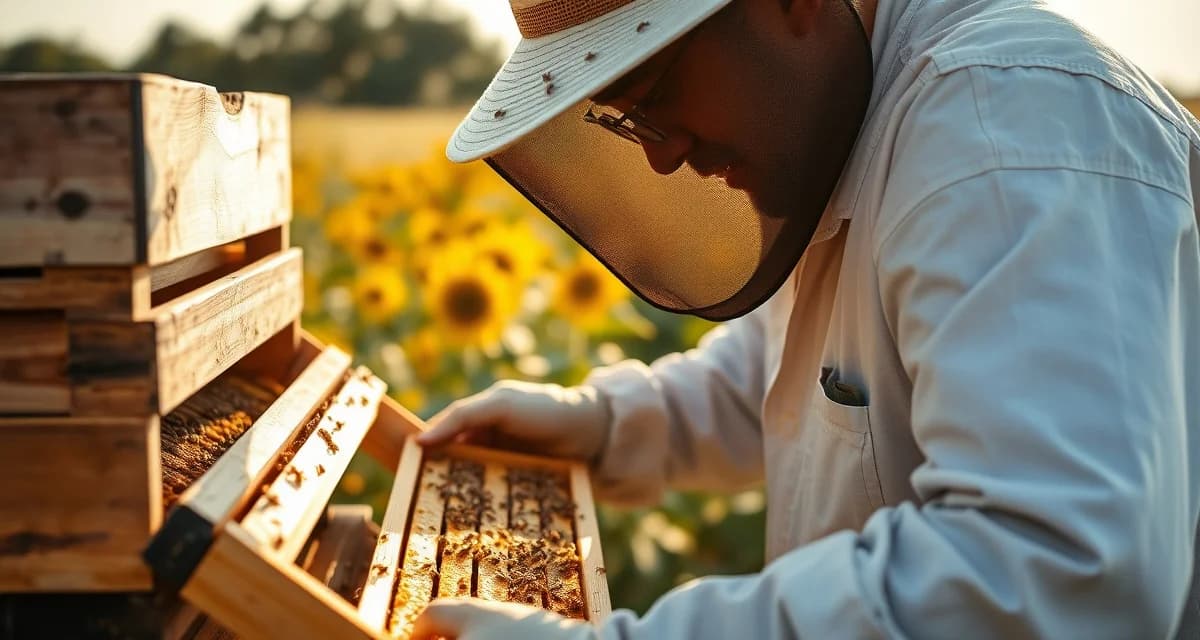
Varroa Management in Kansas
Kansas sits in the heart of the Great Plains with a continental climate that gives beekeepers distinct seasons but long, hot summers that complicate Varroa management. The state's strong agricultural landscape, including sunflower, clover, and soybean crops, provides excellent forage for bees but also creates timing conflicts between honey production and Varroa treatment windows.
Kansas Climate and the Varroa Calendar
Winter in Kansas is cold enough to create a legitimate broodless period from roughly late November through February in most of the state. This winter window is valuable for oxalic acid vaporization treatment, when a single application can achieve 90%+ mite knockdown in a broodless colony.
The challenge is summer. Kansas regularly sees high temperatures in July and August that push above 85 degrees Fahrenheit for extended periods. This limits formic acid use substantially during the peak mite-building months. Beekeepers in Kansas typically plan their treatment calendar around Apivar in late August or September when temperatures begin to moderate, followed by oxalic acid vaporization in winter.
Spring activity in Kansas begins early, often with dandelion and fruit tree bloom in March and April. A spring mite count at first inspection, typically late March or early April, establishes the season baseline. If mite loads are elevated coming out of winter, a spring Apivar treatment before honey supers go on may be warranted.
Sunflower and Fall Flow Timing
Kansas is one of the country's major sunflower production states. The sunflower flow runs from late July through mid-August in most areas. This coincides with the critical pre-winter treatment window. Beekeepers running supers during sunflower flow cannot use Apivar and face formic acid temperature limits that are often exceeded during the same period.
Planning for this conflict requires treating before the sunflower flow begins (treating in late June or early July with post-flow monitoring, knowing that July heat limits formic acid) or accepting that treatment will happen immediately after supers come off in mid to late August. Many Kansas beekeepers treat with Apivar in August or September as their primary annual treatment, relying on oxalic acid in winter for supplemental control.
State Registration and Kansas Department of Agriculture
Kansas requires commercial beekeeping operations to register with the Kansas Department of Agriculture. The state apiarist conducts inspections and can require documentation of disease management including Varroa. Keep your treatment and mite monitoring records organized and accessible.
Mite Monitoring Schedule for Kansas
Recommended testing dates for most of Kansas: late March or early April (spring baseline), late June (pre-flow check), early August (critical pre-winter window), and October (pre-winter confirmation). A post-treatment count 10 to 14 days after any treatment end date verifies efficacy.
VarroaVault's calendar integration allows you to set monitoring reminders tied to your local forage calendar. The varroa treatment calendar builder on VarroaVault can help you plan your Kansas season around the sunflower flow and temperature constraints.
FAQ
What is Varroa Management in Kansas?
Varroa management in Kansas refers to the strategies beekeepers use to monitor and control Varroa destructor mite populations in honey bee colonies across the state. Kansas's continental climate creates distinct seasonal windows that shape treatment timing. Key approaches include oxalic acid vaporization during the winter broodless period, Apivar strips in late summer, and regular mite counts throughout the active season to keep mite loads below damaging thresholds.
How much does Varroa Management in Kansas cost?
Varroa management in Kansas costs vary depending on colony count and treatment method. Oxalic acid vaporization supplies typically run $20–$50 per season for small operations, while Apivar strips cost roughly $4–$7 per strip, with two strips needed per colony. A vaporizer unit is a one-time investment of $150–$300. Overall, most hobbyist beekeepers budget $30–$80 per hive annually for mite control, not including testing supplies like alcohol wash kits.
How does Varroa Management in Kansas work?
Varroa management in Kansas works by combining regular mite monitoring with timed chemical treatments that align with the state's seasonal brood cycles. Beekeepers perform alcohol wash or sugar roll counts to measure mite loads. When counts exceed action thresholds, treatments like Apivar (amitraz strips) are applied in late summer, and oxalic acid vaporization is used during Kansas's winter broodless period from roughly late November through February for maximum efficacy.
What are the benefits of Varroa Management in Kansas?
Effective Varroa management in Kansas protects colony strength heading into winter and supports strong spring buildup. Keeping mite levels low reduces virus transmission, particularly deformed wing virus, which weakens bees and shortens their lifespan. Well-managed colonies produce better honey yields from Kansas's rich forage—sunflower, clover, and soybeans—and are more likely to survive winter. Proactive management also reduces the risk of mite-infested colonies collapsing and spreading mites to neighboring hives.
Who needs Varroa Management in Kansas?
Any Kansas beekeeper with one or more colonies needs a Varroa management plan. Varroa mites are present in virtually all unmanaged colonies and will reach destructive levels without intervention. Hobbyists, sideliners, and commercial operations alike must monitor and treat. Beekeepers near agricultural areas with heavy pesticide use face additional colony stress, making mite control even more critical. New beekeepers should establish a monitoring routine in their first season before mite populations have time to build.
How long does Varroa Management in Kansas take?
A complete annual Varroa management cycle in Kansas spans roughly 10–12 months, but active treatment windows are short. Winter oxalic acid vaporization typically requires one to three applications over a few weeks during the broodless period. Apivar strip treatments take 6–8 weeks in late summer. Mite monitoring itself takes about 15–30 minutes per hive. The key is planning around Kansas's climate calendar so treatments land in the right seasonal windows for maximum effectiveness.
What should I look for when choosing Varroa Management in Kansas?
When choosing a Varroa management approach in Kansas, look for treatments compatible with the state's temperature extremes. Formic acid products have strict heat limits and are often impractical during Kansas summers. Prioritize IPM-based programs that combine monitoring with rotating treatment chemistries to slow resistance development. Consider whether you are managing for honey production, as some treatments require honey super removal. Also factor in ease of application and whether the treatment window fits around your colony inspection schedule.
Is Varroa Management in Kansas worth it?
Yes, Varroa management in Kansas is absolutely worth the investment of time and money. Untreated colonies typically collapse within one to three years as mite populations overwhelm the bees. Kansas's long summers accelerate mite reproduction, making intervention essential rather than optional. The cost of replacing a dead-out colony far exceeds the cost of seasonal treatments. Beyond economics, effective mite management means healthier bees, better honey harvests, and colonies strong enough to take full advantage of Kansas's excellent forage resources.
Related Articles
- Beekeeping Software for Arizona Beekeepers: Year-Round Varroa Management
- Beekeeping Software for Colorado Beekeepers: High-Altitude Varroa Management
- Beekeeping Software for Florida Beekeepers: Year-Round Brood and Varroa Management
- Beekeeping Software for Illinois Beekeepers: Midwest Varroa Management