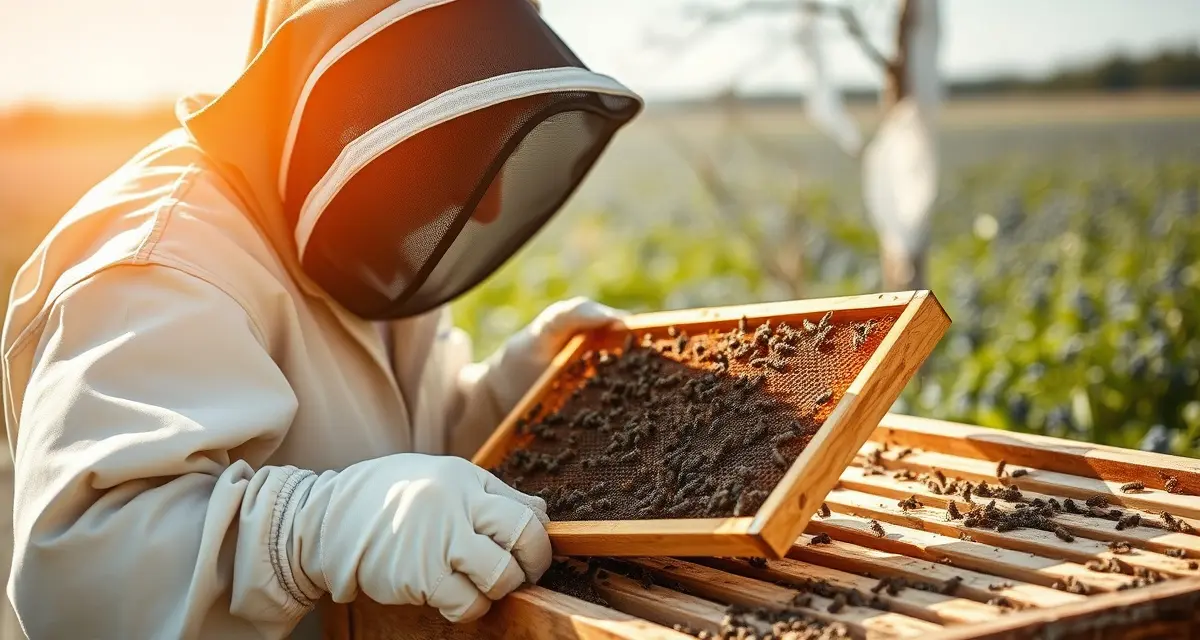
Varroa Management in Maine
Maine beekeeping is defined by extremes: a very short active season compressed between late-breaking springs and early falls, significant demand from blueberry and cranberry pollination contracts, and winters cold enough to kill underprepared colonies even with adequate food stores. Managing Varroa effectively in this compressed season requires precision and leaves very little margin for mistakes.
The Short Maine Season
Most of Maine does not see consistent above-50-degree temperatures until late April or early May. First inspections typically happen in late April or early May. By mid-September, the focus shifts entirely to winter preparation. That gives Maine beekeepers roughly four to five months of active management time.
Within that window, Varroa populations can still build dangerously if monitoring is skipped. The spring buildup in late May and June is rapid. A colony that enters the blueberry bloom in late May or June with a moderate mite load can reach critical levels by late July. Testing immediately after the blueberry season ends (typically late June) gives a crucial mid-season data point.
Blueberry Pollination and Treatment Timing
Maine is the largest producer of wild blueberries in the US, and blueberry pollination is a major business for Maine beekeepers. Colonies placed in blueberry fields typically have honey supers off, but blueberry bloom coincides with a period when Varroa populations are building. Formic acid and oxalic acid are acceptable during pollination placement when following label directions, but most beekeepers prefer not to treat during active pollination unless mite levels are critically high.
Plan your treatment schedule to minimize mite loads before blueberry bloom begins (late May to early June) and to treat aggressively immediately after bloom ends. This means a spring treatment in late April or early May if mites are elevated, followed by a midsummer treatment in late June or July, and the critical pre-winter treatment in late July or early August.
Winter Preparation in Maine
Winter preparation is earlier in Maine than almost anywhere else in the lower 48. Pre-winter Apivar treatment should be in the hive by mid-August and removed by early October at the latest. The winter broodless period treatment with oxalic acid can be applied from November through February when the cluster is tight and brood is minimal.
The cold winters also mean that colonies that go into winter with compromised winter bee populations from mite damage have very low survival rates. There is no mild stretch in February that allows a struggling colony to recover. The fall treatment is non-negotiable.
Varroa Testing Schedule for Maine
Recommended mite testing dates: early May (spring baseline), mid-June post-blueberry (critical decision point), early August (pre-winter treatment timing), and late September or early October (pre-winter confirmation). Post-treatment counts 10 to 14 days after treatment removal verify efficacy.
VarroaVault's monitoring reminders can be set to Maine's compressed calendar so you do not miss the short windows available for both monitoring and treatment. See the varroa treatment temperature restrictions guide and the pre-winter mite treatment timing guide on VarroaVault for detailed protocol information relevant to Maine's climate.
FAQ
What is Varroa Management in Maine?
Varroa management in Maine refers to the systematic monitoring and treatment of Varroa destructor mite infestations in honey bee colonies within the state's uniquely compressed beekeeping season. Because Maine's active season spans only four to five months, beekeepers must follow a precise schedule of mite testing and treatment to prevent colony losses before winter. Effective management combines alcohol wash or sugar roll monitoring with timed chemical or organic treatments.
How much does Varroa Management in Maine cost?
The cost of Varroa management in Maine varies based on colony count and treatment method. Oxalic acid vaporizers run $150–$300 upfront with low per-treatment costs. Formic acid strips (Mite Away Quick Strips) cost roughly $6–$10 per colony per treatment. Api-Guard and Apivar treatments range from $5–$15 per colony. Factor in monitoring supplies and labor, and most beekeepers spend $20–$50 per colony annually on mite management.
How does Varroa Management in Maine work?
Varroa management in Maine works by establishing a monitoring and treatment calendar timed to the state's short season. Beekeepers test mite loads in late April, mid-June after blueberry bloom, and late August before winter prep. When counts exceed 2–3 mites per 100 bees, treatment is applied. Oxalic acid is used during broodless periods in fall or winter, while formic acid or Apivar treat during active brood-rearing months.
What are the benefits of Varroa Management in Maine?
Effective Varroa management in Maine protects colonies from mite-vectored viruses like Deformed Wing Virus, increases winter survival rates, and supports pollination contract commitments. Maine winters are long and unforgiving—colonies headed into October with high mite loads rarely survive. By keeping mite levels low, beekeepers produce stronger, healthier winter bees, reduce annual colony replacement costs, and maintain the population stability needed for blueberry and cranberry pollination agreements.
Who needs Varroa Management in Maine?
Any beekeeper operating in Maine needs a Varroa management plan, regardless of hive count. Hobbyists with a single hive face the same mite pressure as commercial operations. Beekeepers holding blueberry pollination contracts face additional urgency because colonies must be strong and healthy at bloom time in late May. New beekeepers are especially at risk, as first-year colonies can collapse from mite overload before the keeper recognizes the warning signs.
How long does Varroa Management in Maine take?
In Maine, a complete annual Varroa management cycle runs the length of the active season—approximately May through September—plus a fall oxalic acid treatment in October or November. Individual treatments vary: oxalic acid vaporization takes minutes per hive, while Apivar strips remain in the hive for 6–8 weeks. Monitoring via alcohol wash takes about 15–20 minutes per hive. Budget time for at least three to four monitoring events per season.
What should I look for when choosing Varroa Management in Maine?
When evaluating your Varroa management approach in Maine, prioritize treatment methods approved for use during honey supers if you run them, and confirm temperature compatibility—formic acid requires daytime highs above 50°F and below 85°F. Look for treatments with clear re-entry intervals that fit your blueberry pollination schedule. Choose monitoring methods with documented accuracy, and consider sourcing locally adapted, mite-resistant stock to reduce long-term treatment frequency.
Is Varroa Management in Maine worth it?
Yes, Varroa management in Maine is essential and cost-effective. Maine's cold winters amplify the consequences of late-season mite buildup—a colony that might survive a mild Southern winter with elevated mites will almost certainly die in Maine. The cost of replacing a colony ($150–$200+ for a package or nuc) far exceeds a full season of treatment. Beekeepers who monitor consistently and treat proactively retain significantly more colonies year over year.
Related Articles
- Beekeeping Software for Colorado Beekeepers: High-Altitude Varroa Management
- Beekeeping Software for Florida Beekeepers: Year-Round Brood and Varroa Management
- Beekeeping Software for Illinois Beekeepers: Midwest Varroa Management
- Beekeeping Software for Kansas Beekeepers: Plains Climate Varroa Management