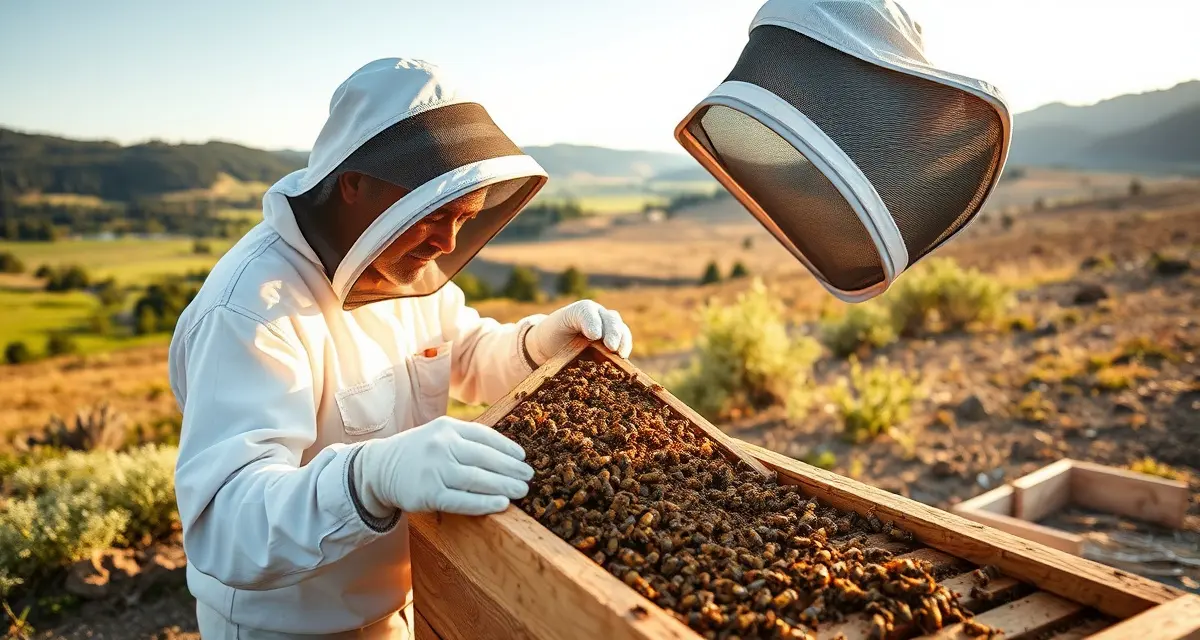
Varroa Management in Oregon
Oregon is two states in one when it comes to beekeeping. West of the Cascades, the maritime climate brings mild, wet winters, early springs, and forage from January fruit orchards through fall. East of the Cascades, the high desert climate is drier and more extreme, with colder winters and hotter summers. Varroa management looks different on each side of the mountains.
Western Oregon: Maritime Climate Challenges
The Willamette Valley and coastal regions of Oregon have some of the best early-season forage in the Pacific Northwest. Beekeepers west of the Cascades can see colonies building in February and March. This early buildup is great for honey production but means the mite population also starts building earlier than in most US states.
Because winters are mild, queens in western Oregon often do not stop laying completely. A true broodless winter window may be short or absent, which reduces the efficacy of a single winter oxalic acid dribble or vaporization treatment. Multiple treatments spaced a week apart during the coolest, least-brood winter period are common.
The wet, mild climate also promotes strong spring buildup, which provides fertile ground for rapid mite population growth. Monthly mite monitoring from March through October is recommended for western Oregon operations.
Eastern Oregon: High Desert Management
East of the Cascades, the climate more closely resembles Idaho or the intermountain West. Cold, dry winters provide a more reliable broodless period. Summer heat can push above 100 degrees in the Columbia Basin, which limits formic acid use in July and August.
The shorter growing season on the east side means the pre-winter treatment window is tighter. Treatment with Apivar should be in place by early August and completed by mid-September to ensure treatment is finished before cold weather slows colony activity.
Honey Flow Calendar and Treatment Conflicts
Western Oregon beekeepers working with clover, blackberry, and fall blooming sources may have honey supers on from May through September. This creates a long period where Apivar cannot be used. Formic acid within its temperature window is the primary option during flow, but the wet springs and mild summers can create windows where formic acid temperatures are met more reliably than in hotter states.
Oregon Tilth and other organic certification programs are popular with some Pacific Northwest beekeepers. Organic certification restricts treatment options to approved substances, which for Varroa means oxalic acid and formic acid only. This makes rotation planning even more critical.
Oregon Department of Agriculture Registration
Oregon requires commercial beekeeping operations to register with the Oregon Department of Agriculture. The state apiarist program conducts inspections and the state has specific requirements for colonies involved in commercial pollination. Treatment records and mite monitoring logs should be maintained for at least two seasons.
Mite Monitoring Schedule for Oregon
Western Oregon: February or March (early spring baseline), late May, late July (pre-winter window decision), September. Eastern Oregon: April, June, early August (critical pre-winter window), October.
VarroaVault allows you to configure separate monitoring schedules for apiaries on different sides of the mountains. The varroa management in the northeast climate guide and the varroa monitoring calendar by region on VarroaVault provide additional context for Pacific Northwest beekeeping.
FAQ
What is Varroa Management in Oregon?
Varroa management in Oregon refers to the strategies beekeepers use to monitor and control Varroa destructor mite populations in honey bee colonies across the state. Because Oregon spans two distinct climates—the wet, mild west and the dry, cold east—management approaches differ significantly by region. Effective varroa management combines regular mite monitoring with timely treatments to keep mite loads below damaging thresholds and maintain healthy colonies year-round.
How much does Varroa Management in Oregon cost?
Varroa management costs in Oregon vary depending on colony count and methods used. Oxalic acid treatments are among the most affordable options, with supplies costing roughly $20–$50 per season for a small apiary. Commercial mite treatments like Apivar or Mite Away Quick Strips range from $10–$20 per colony. Ongoing costs include monitoring supplies such as alcohol wash kits or sticky boards. Most beekeepers budget $30–$100 per hive annually for a complete monitoring and treatment program.
How does Varroa Management in Oregon work?
Varroa management works by reducing mite populations before they reach levels that harm colonies. Beekeepers monitor mite loads using alcohol washes or sugar rolls, targeting an action threshold of around 2–3 mites per 100 bees. When thresholds are exceeded, treatments such as oxalic acid vaporization, formic acid pads, or synthetic miticides are applied. In Oregon, timing treatments to broodless or low-brood periods—especially during winter in western Oregon—maximizes their effectiveness.
What are the benefits of Varroa Management in Oregon?
Effective varroa management keeps colonies healthier, more productive, and less likely to collapse. In Oregon's mild western climate, where colonies build early and mite populations can spike quickly, consistent management prevents population crashes heading into summer. East of the Cascades, it protects colonies through harsh winters. Benefits include better honey yields, stronger overwintering success, reduced virus pressure from mite-vectored diseases like Deformed Wing Virus, and lower overall colony loss rates.
Who needs Varroa Management in Oregon?
Any beekeeper keeping honey bees in Oregon needs a varroa management plan. This includes hobbyists with a single hive, sideliners, and commercial operations alike. Varroa mites are present throughout Oregon and will reach damaging levels in untreated colonies within one to two seasons. Beekeepers in western Oregon face particular pressure due to the early spring buildup and limited broodless window, making proactive management especially important regardless of operation size.
How long does Varroa Management in Oregon take?
Varroa management in Oregon is an ongoing, season-long commitment rather than a one-time task. Monthly mite monitoring from March through October is recommended in western Oregon, with treatments applied as needed when thresholds are crossed. A single treatment cycle typically takes one to three weeks depending on the product used. Winter oxalic acid treatments may require multiple applications spaced 7 days apart to account for western Oregon's limited broodless period.
What should I look for when choosing Varroa Management in Oregon?
When choosing a varroa management approach in Oregon, consider your climate zone first. Western Oregon beekeepers need strategies that account for a short or absent broodless window and early spring mite pressure. Look for treatments with clear efficacy data, temperature compatibility with Oregon's climate, and manageable application requirements. Prioritize integrated pest management combining regular monitoring with rotating treatments to reduce resistance risk. Local beekeeping associations and Oregon State University Extension are reliable sources for regionally tested recommendations.
Is Varroa Management in Oregon worth it?
Yes, varroa management in Oregon is essential and worth every investment of time and resources. Untreated colonies typically collapse within one to three years, and collapsing colonies spread mites to neighboring hives. In Oregon's western regions, the mild climate creates ideal conditions for rapid mite buildup, making management even more critical than in harsher climates. Beekeepers who monitor consistently and treat strategically report significantly better overwinter survival rates and more productive colonies throughout the season.
Related Articles
- Beekeeping Software for Arizona Beekeepers: Year-Round Varroa Management
- Beekeeping Software for Florida Beekeepers: Year-Round Brood and Varroa Management
- Beekeeping Software for Illinois Beekeepers: Midwest Varroa Management
- Beekeeping Software for Kansas Beekeepers: Plains Climate Varroa Management