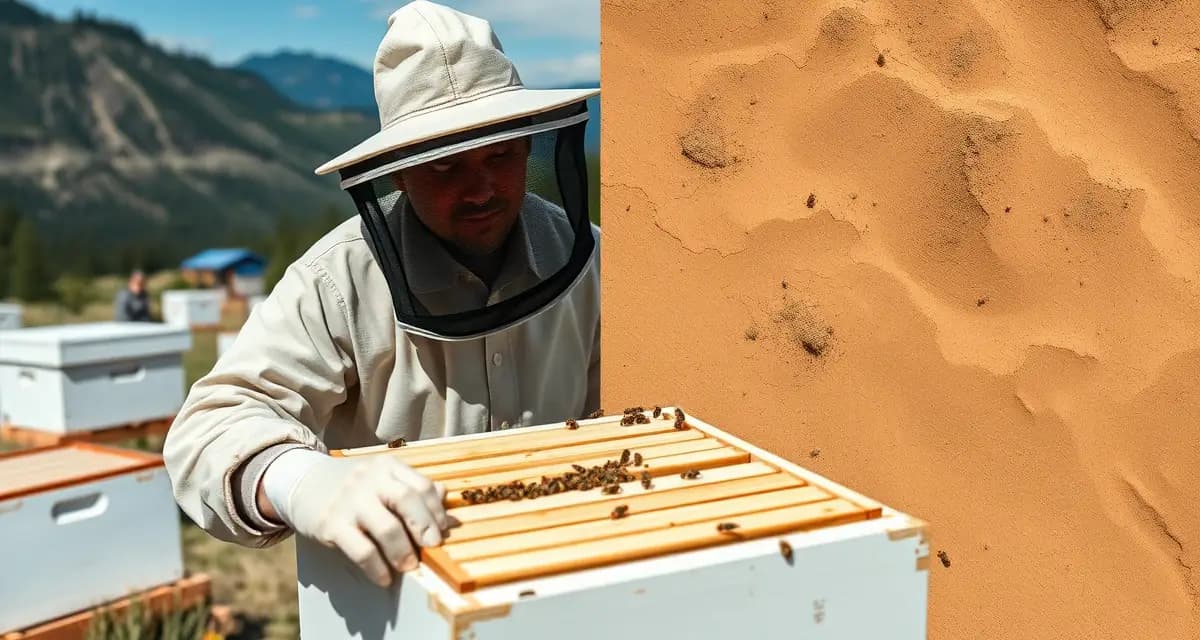
Varroa Management in Washington State
Washington State is two different beekeeping worlds separated by the Cascades. West of the mountains, the Puget Sound lowlands have a maritime climate with mild winters, wet springs, and relatively cool summers. East of the mountains, the Columbia Basin and Yakima Valley have an arid continental climate with hot, dry summers and cold winters. Both sides of the Cascades have excellent beekeeping, but varroa management timing differs meaningfully between them.
West of the Cascades: Maritime Climate
Western Washington, including the Puget Sound area, Willamette Valley spillover, and the Olympic Peninsula lowlands, has a mild maritime climate. Winters are wet and cool rather than bitterly cold. Temperatures rarely drop below the mid-20s Fahrenheit even at low elevations. Brood rearing may continue at a reduced level through December and January rather than stopping completely.
The broodless period in western Washington is shorter and less reliable than in eastern Washington. Some colonies remain with brood year-round during mild winters. This limits the effectiveness of OAV treatment during natural broodlessness and means some beekeepers on the west side must use OAV under brood-on conditions or create artificial brood breaks.
West side management calendar:
- August: Apivar after the summer main flow. Blackberry and fireweed are primary summer sources.
- October: Strips out, post-treatment count.
- December to January: Monitor for broodlessness. Apply OAV if broodless, or apply three OAV treatments five days apart if brood is present.
- March to April: Pre-spring mite count. Treat if needed before supers go on for the maple and fruit tree flow.
East of the Cascades: Continental Climate
Eastern Washington, including the Yakima Valley, Columbia Basin, and Wenatchee area, has a very different beekeeping profile. Cold winters with reliable broodlessness, hot and dry summers, and the massive tree fruit and hop growing industries create a beekeeping landscape dominated by pollination services.
Broodlessness in eastern Washington typically occurs from late November through February, providing an excellent OAV treatment window. Temperatures regularly drop below freezing for extended periods, ensuring a complete cessation of brood rearing.
East side management calendar:
- August: Apivar after the main summer flow ends. Mint, clover, and wildflowers support summer production.
- October: Strips out, post-treatment count.
- December to January: OAV during confirmed broodlessness. In years with extreme cold, verify the cluster is accessible before treating.
- March: Pre-pollination placement mite count for beekeepers supplying fruit tree bloom.
- April to May: Apple, cherry, and pear pollination season. MAQS can be used with supers on if needed and temperatures are within range.
Pollination Services and Varroa
Washington State's tree fruit industry, including apple, cherry, pear, and blueberry, is one of the largest in the nation. Many Washington beekeepers provide pollination services as a significant revenue stream. Varroa management interacts with pollination contracts in several ways.
Pre-placement colony assessments should include mite counts. Delivering high-mite colonies to a grower risks hive health during the contract period and damages your professional reputation. Aim to have post-treatment mite counts below 1% before pollination placement.
During pollination contracts, MAQS is the primary treatment option with supers on. Temperature conditions in April in eastern Washington can be cold, so confirm temperatures are within the MAQS effective range before applying. Cool nights can drop below the effective threshold even when days are warm.
Post-pollination treatment is important. Colonies returning from orchard placements often have elevated mite counts due to hive stress and exposure to other colonies. Count mites within a week of return.
Documenting Washington State Operations
Washington's diversity in operation type (from small hobby apiaries in the San Juan Islands to large pollination operations in the Yakima Valley) means the record-keeping needs vary widely. VarroaVault's flexible structure supports both small hobby operations with a handful of hives and commercial operations with hundreds of hives across multiple east-side and west-side yards.
The multi-apiary management tools are particularly useful for Washington beekeepers running yards on both sides of the Cascades with different management schedules. Yards on the west side with brood-on OAV timing and yards on the east side with natural broodless period timing can be managed on independent schedules within the same account.
FAQ
What is Varroa Management in Washington State?
Varroa management in Washington State refers to the strategies beekeepers use to monitor and control Varroa destructor mite infestations in honey bee colonies. Because Washington is divided by the Cascades into two distinct climate zones, management approaches differ significantly. Western Washington's maritime climate means shorter, less reliable broodless periods, while eastern Washington's arid continental climate allows more predictable treatment windows. Effective management combines alcohol wash monitoring, oxalic acid vaporization, and approved miticides timed to local seasonal patterns.
How much does Varroa Management in Washington State cost?
Varroa management costs in Washington State vary by operation size and methods used. Oxalic acid vaporizer units run $150–$300, with oxalic acid solution costing roughly $10–$20 per treatment cycle. Approved miticides like Apivar or Mite Away Quick Strips range from $2–$5 per colony per treatment. Annual monitoring and treatment costs for a small apiary of 5–10 hives typically fall between $100–$400. Untreated mite infestations risk total colony loss, making early investment far less costly than replacement colonies.
How does Varroa Management in Washington State work?
Varroa management works by reducing mite populations below thresholds that cause colony collapse. Beekeepers monitor infestation levels using alcohol washes or sticky boards, then apply treatments when mite counts exceed 2–3 mites per 100 bees. In eastern Washington, natural winter broodless periods allow highly effective oxalic acid vaporization. In western Washington's milder climate, beekeepers may need to create artificial brood breaks or use extended OAV treatment series to achieve similar efficacy against mites reproducing in capped brood.
What are the benefits of Varroa Management in Washington State?
Effective varroa management in Washington State protects colonies from the devastating combination of mite feeding damage and virus transmission, particularly deformed wing virus. Keeping mite levels low preserves winter bee quality, directly improving overwintering survival rates that can otherwise drop below 50% in unmanaged hives. For commercial and hobby beekeepers alike, successful mite control means stronger spring populations, better honey yields, reduced colony replacement costs, and healthier bees that contribute to pollination services across Washington's diverse agricultural regions.
Who needs Varroa Management in Washington State?
Every beekeeper in Washington State keeping Apis mellifera honey bees needs a varroa management plan. Varroa mites are present in virtually all feral and managed colonies statewide. Hobbyists with a single hive, sideline beekeepers, and commercial operations pollinating Washington's apple, cherry, and blueberry crops all face the same mite pressure. New beekeepers are especially at risk since untreated colonies typically collapse within two to three years. Beekeepers near apiaries that have experienced recent losses should be especially vigilant about monitoring.
How long does Varroa Management in Washington State take?
Varroa management is an ongoing, year-round commitment rather than a single event. Monitoring should occur every 4–6 weeks during the active season from March through October. Individual treatments take 1–3 days for oxalic acid vaporization series or 6–8 weeks for strip-based miticides like Apivar. In eastern Washington, the natural broodless window for single-application OAV is typically 4–6 weeks in December and January. Western Washington beekeepers may manage mites continuously across multiple overlapping treatment cycles due to the region's extended brood-rearing season.
What should I look for when choosing Varroa Management in Washington State?
When choosing a varroa management approach in Washington State, consider your location relative to the Cascades first, as climate determines which treatment windows are available. Look for EPA-registered treatments with proven efficacy and follow label directions carefully. Choose products compatible with your local temperature range — some miticides have narrow effective temperature windows that affect east and west side beekeepers differently. Prioritize integrated pest management programs that combine monitoring, cultural controls like brood breaks, and chemical treatments rather than relying on any single method.
Is Varroa Management in Washington State worth it?
Yes, varroa management in Washington State is essential and worth the effort. Without active management, colonies face near-certain collapse within 1–3 years as mite populations overwhelm bees' ability to recover. The cost of replacement packages or nucs — typically $150–$250 each — far exceeds annual treatment expenses. Beyond economics, managed colonies are healthier, more productive, and less likely to spread mites to neighboring apiaries. Washington beekeepers who commit to consistent monitoring and timely treatment consistently report significantly better overwintering survival and more productive honey and pollination seasons.