PHI for Oxalic Acid: When Can You Harvest After OA Treatment
Oxalic acid has a 0-day pre-harvest interval. That sounds like it means you can treat and harvest the same day. The reality is more nuanced, and getting the details wrong can put you in violation of your product label.
The PHI for oxalic acid honey harvest is 0 days, but the method you use determines what restrictions apply to honey supers during treatment. OA dribble and OA vaporization have different rules around super presence, and many beekeepers conflate them.
TL;DR
- PHI (pre-harvest interval) is the required waiting period between the end of treatment and adding honey supers
- PHI varies by product: oxalic acid has no PHI for approved uses, MAQS has no PHI, Apivar requires supers to be off during treatment
- Applying treatments with supers on violates the label and may contaminate honey with residues
- State apiarists can ask for PHI compliance records during inspections
- Missing PHI windows is one of the most common compliance errors among small-scale beekeepers
- VarroaVault's PHI calendar blocks super-addition dates automatically based on your logged treatment dates
The Core Distinction: Super Presence vs. Harvest Timing
For most varroa treatments, the PHI tells you how many days to wait between treatment and harvest. For oxalic acid, the restriction is different: it's not about waiting after treatment, it's about whether supers can be present during treatment.
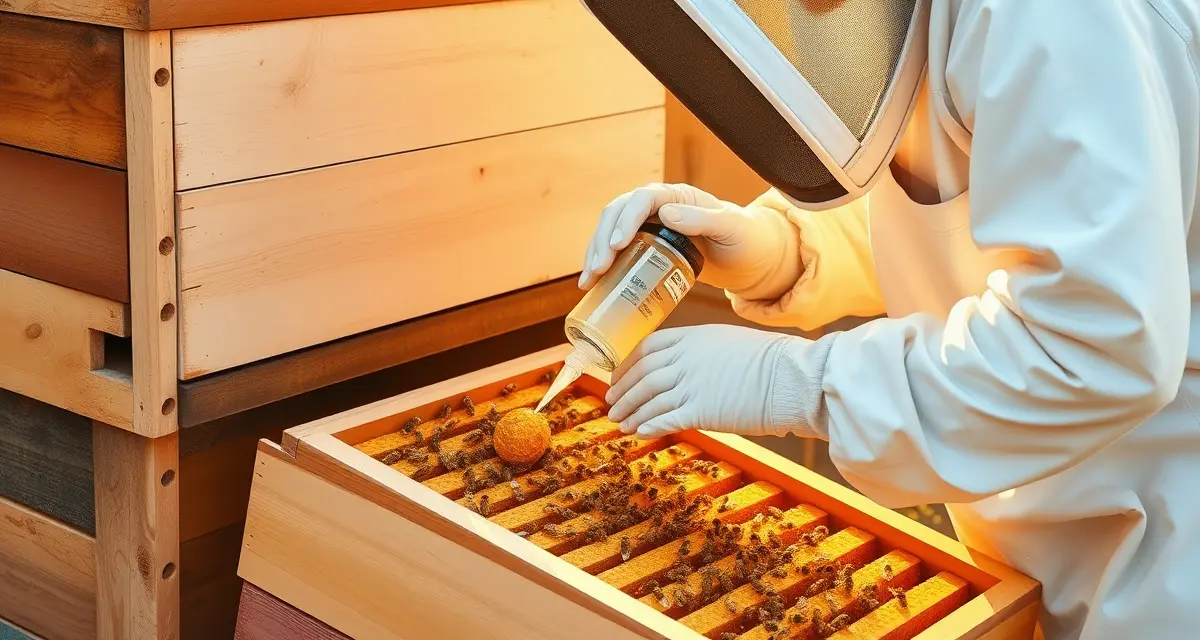
OA Dribble: Cannot be applied when honey supers are present. After treatment without supers, supers can be added the same day, hence the "0-day PHI." You don't wait days after treatment; you just can't have supers on during treatment.
OA Vaporization: Label restrictions vary by product registration. Some OA vaporizer products specify no supers during treatment; others have slightly different guidance. Check your specific product label for the current registration details.
OA dribble applied without supers allows honey super addition the same day; this is often misunderstood by beekeepers.
What Is the PHI for Oxalic Acid Dribble?
0 days, no waiting period after treatment before adding supers or harvesting.
The restriction is the condition of treatment, not a post-treatment waiting period:
- Supers must be removed before dribble application
- Once the treatment is complete and the hive is closed, supers can be replaced immediately
- Honey from supers added after treatment can be harvested without a waiting period
The practical sequence: remove supers → treat → replace supers → harvest whenever supers are full.
Can I Add Honey Supers the Day I Use OA Vaporizer?
This depends on your specific product and its current EPA registration. Most OA vaporizer products in the US specify that honey supers should not be present during the vaporization treatment. After vaporization is complete and the hive is sealed:
- With most registered products: supers can be added the same day or within hours
- The 0-day PHI means no additional waiting period after the super restriction is satisfied
The key phrase in most OA vaporizer labels is something like "do not apply when honey supers are present." This is a during-treatment restriction, not a post-treatment waiting period.
If you're doing the extended vaporization protocol (multiple treatments at 5-day intervals), supers should remain off for the entire treatment sequence, removing and replacing supers between each vaporization is impractical and risks leaving supers on during a treatment.
Why OA Has a 0-Day PHI
Oxalic acid is a naturally occurring organic acid found in many plants and in small amounts in honey. The EPA determined that treating at label doses does not raise honey oxalic acid levels above naturally occurring concentrations, hence the 0-day PHI.
This distinguishes OA from synthetic treatments like Apivar and Apistan, where the concern is artificial chemical residue that requires a defined dissipation period before honey can be collected.
Method-Specific Restrictions: A Practical Guide
| Method | PHI | Super restriction | Notes |
|--------|-----|-----------------|-------|
| OA dribble | 0 days | Remove supers before treating | Supers can be replaced immediately after treatment |
| OA vaporization (single) | 0 days | Remove supers during treatment | Check your specific product label |
| OA extended vaporization | 0 days | Remove supers for entire protocol | Replace supers after final treatment |
How VarroaVault Tracks OA PHI Differently by Method
VarroaVault's method selector shows real-time PHI and restriction status for each OA application method. When you log an OA treatment, you select the method (dribble or vaporization), and the system applies the correct restriction framework:
- Dribble: Flags that supers must be removed at treatment, shows cleared-for-supers as immediate post-treatment
- Vaporization: Flags super removal for the treatment period, calculates cleared-for-supers based on your last vaporization date in an extended protocol
- Extended protocol: Tracks each vaporization date and holds the super restriction through the full protocol end date
This prevents the common error of adding supers between treatments in an extended protocol or misidentifying the 0-day PHI as meaning supers can remain during treatment.
For the full PHI tracking system across all treatment types, see the pre-harvest interval tracker. For OA dribble dosing and application details, the [oxalic acid dribble calculator](/oxalic-acid-dribble-calculator) covers the full protocol.
What is the PHI for oxalic acid dribble?
The PHI for OA dribble is 0 days, there is no waiting period between treatment and adding honey supers or harvesting. The restriction is a during-treatment rule: supers must not be present when the dribble is applied. Once treatment is complete and the hive is closed, supers can be replaced immediately. Honey from supers added post-treatment can be harvested without any additional waiting period.
Can I add honey supers the day I use OA vaporizer?
With most registered OA vaporizer products, yes, you can add supers the same day the treatment is complete, provided supers were removed during the vaporization itself. The 0-day PHI means there's no post-treatment waiting period. Check your specific product label, as registration details vary. If you're running the extended vaporization protocol, keep supers off for the entire protocol period and replace after your final treatment.
How does VarroaVault track OA PHI differently by method?
When you log an OA treatment, VarroaVault applies method-specific restrictions based on whether you selected dribble or vaporization. Dribble logs flag that supers must be removed at treatment and show cleared-for-supers as immediate. Vaporization logs track the super restriction period, and extended protocol logs hold the super restriction through the final treatment date. The system prevents the common error of misinterpreting the 0-day PHI as permission to leave supers on during treatment.
How many oxalic acid vaporizations can I do per year?
The Api-Bioxal label allows up to three vaporization treatments per year per hive. Under the extended protocol for colonies with brood present, three applications spaced 5 days apart count as one treatment event. Always follow current label instructions as registration requirements can be updated.
Can I use oxalic acid from the grocery store instead of Api-Bioxal?
No. In the United States, only EPA-registered Api-Bioxal is legal for treating honey bees. Industrial or food-grade oxalic acid is not registered for bee use and cannot be used legally. Using unregistered products violates federal pesticide law and may affect honey marketability. Api-Bioxal is widely available from beekeeping suppliers.
Is oxalic acid safe to use on brood?
Oxalic acid in dribble form is damaging to brood when applied directly; the label specifies use on broodless colonies for dribble application. Vaporized oxalic acid is less directly damaging to brood than dribble and is approved for use with brood present, though efficacy on mites in capped brood is limited. Always follow the label for the application method you are using.
FAQ
What is PHI for Oxalic Acid: When Can You Harvest After OA Treatment?
The pre-harvest interval (PHI) for oxalic acid is 0 days, meaning no mandatory waiting period exists between treatment completion and honey harvest. However, this doesn't mean you can treat and harvest simultaneously. The key restriction is super presence during treatment: OA dribble and OA vaporization have different rules about whether honey supers can remain on the hive. Violating these label requirements—even with a 0-day PHI—puts you out of compliance and risks honey contamination.
How much does PHI for Oxalic Acid: When Can You Harvest After OA Treatment cost?
Oxalic acid treatments themselves are relatively inexpensive, typically ranging from $10–$30 for small-scale beekeepers depending on formulation and quantity. Vaporizers vary widely in cost, from $30 budget units to $200+ professional models. The real cost of mismanaging PHI compliance is indirect: contaminated honey batches, failed inspections, or lost certifications. Tools like VarroaVault's PHI calendar can help you track treatment windows automatically, reducing costly compliance errors.
How does PHI for Oxalic Acid: When Can You Harvest After OA Treatment work?
Oxalic acid kills varroa mites by direct contact. When dribbled, the solution coats bees as it runs between frames, reaching mites on adult bees. When vaporized, OA sublimates into fine crystals that settle throughout the hive interior. The 0-day PHI reflects that OA degrades quickly and is naturally present in honey at low levels. The treatment method determines whether supers must be removed first—vaporization typically requires supers off; dribble application rules vary by product label.
What are the benefits of PHI for Oxalic Acid: When Can You Harvest After OA Treatment?
Oxalic acid's 0-day PHI is one of its biggest practical advantages for honey producers. You can treat late in the season without sacrificing a honey harvest or waiting weeks to add supers back. OA is also approved for organic operations, biodegrades quickly, and has minimal residue risk when used correctly. Compared to synthetic treatments like Apivar—which require supers off for the entire treatment duration—OA gives beekeepers much greater scheduling flexibility around honey production cycles.
Who needs PHI for Oxalic Acid: When Can You Harvest After OA Treatment?
Any beekeeper treating for varroa mites needs to understand OA's PHI rules, but it's especially critical for those who sell honey commercially or participate in certified organic programs. Small-scale hobbyists risk label violations without realizing it. State apiarists can request PHI compliance records during inspections, so even backyard beekeepers benefit from tracking treatment dates. If you're honey-harvesting during or near a treatment window, knowing the exact rules for your specific OA product and application method is essential.
How long does PHI for Oxalic Acid: When Can You Harvest After OA Treatment take?
Oxalic acid treatments are applied in a single session and take only minutes to administer per hive. The 0-day PHI means there's no mandatory post-treatment waiting period before harvest—unlike Apivar's multi-week treatment cycle. However, if your label requires supers to be off during vaporization, factor in the time to remove and replace them. Total time impact on harvest scheduling is minimal, making OA one of the least disruptive varroa treatments available for active honey production seasons.
What should I look for when choosing PHI for Oxalic Acid: When Can You Harvest After OA Treatment?
When selecting an oxalic acid product, always read the specific label—not just general OA guidance. Labels differ on whether supers must be removed during treatment, approved application methods (dribble vs. vaporization vs. extended-release), and colony conditions like brood presence. Look for EPA-registered products and confirm your state's approval. If you're certified organic, verify the product meets your certifier's requirements. Track treatment dates using a tool or calendar that maps super-addition windows, so you stay compliant without relying on memory.
Is PHI for Oxalic Acid: When Can You Harvest After OA Treatment worth it?
Yes—for varroa management during active honey production, oxalic acid's 0-day PHI makes it one of the most harvest-friendly treatments available. It's low-cost, organic-approved, effective against phoretic mites, and imposes minimal restrictions on your harvest schedule when used correctly. The main caveat: it only kills mites on adult bees, so timing treatments during broodless periods maximizes effectiveness. Pair it with a compliance tracking system to avoid label violations, and OA becomes a reliable, low-disruption part of any integrated varroa management strategy.
Sources
- American Beekeeping Federation (ABF)
- USDA ARS Bee Research Laboratory
- Honey Bee Health Coalition
- Penn State Extension Apiculture Program
- Project Apis m.
Get Started with VarroaVault
Oxalic acid is one of the most effective and accessible varroa treatments available, but timing and application method determine whether you get 95% efficacy or 50%. VarroaVault tracks your broodless window, application method, and pre/post mite counts so you can see what's actually working in your operation. See pricing and free tools at varroavault.com.