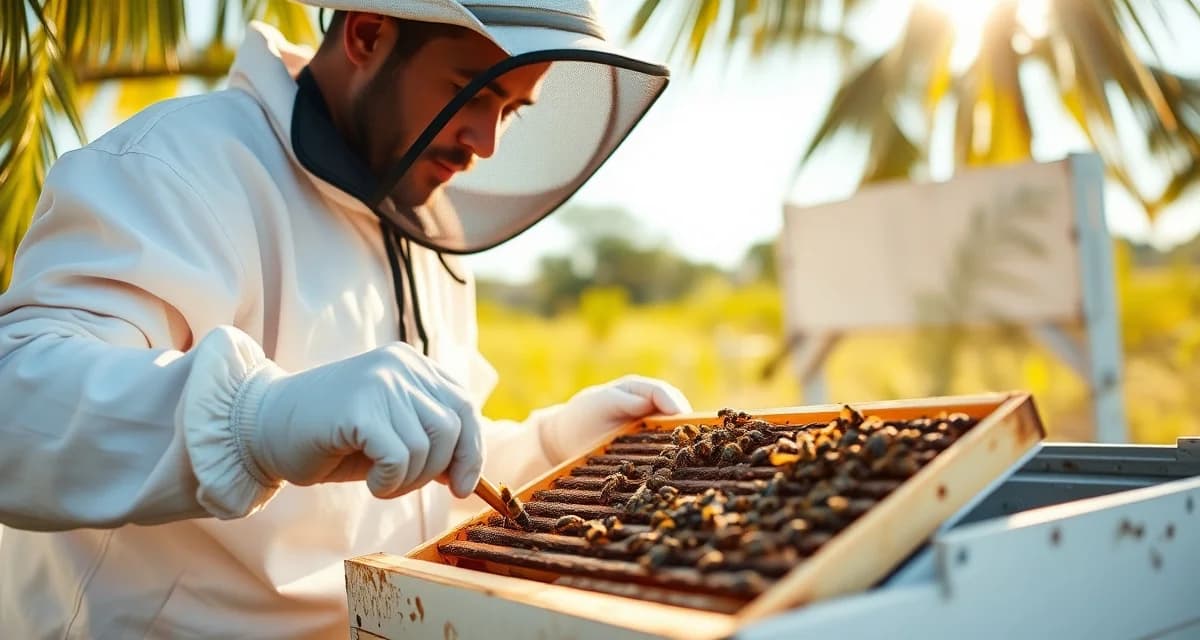
Varroa Management in USDA Hardiness Zone 10
USDA hardiness zone 10 covers the warmest parts of the continental United States: southern Florida (Miami-Dade, Broward, Palm Beach counties), parts of the Rio Grande Valley in Texas, the low-elevation desert areas of Arizona and California, and coastal southern California. In zone 10, average annual minimum temperatures range from 30 to 40 degrees Fahrenheit. Frost is rare. Colonies rarely or never experience a true broodless period.
This is the most challenging climate in the US for varroa management. The interventions that northern beekeepers rely on as annual resets simply do not apply.
Year-Round Brood, Year-Round Mite Pressure
In zone 10, honey bee queens rear brood continuously. There is no seasonal interruption to varroa reproduction. Mite populations build steadily through all twelve months. A colony that goes untreated for six months in zone 10 is in serious trouble.
The monitoring schedule in zone 10 should be monthly, every month of the year. There is no off-season and no period when mite counting can be suspended because the brood cycle is paused. Colonies can go from clean to above-threshold in a few weeks during periods of high brood production, and there is always brood production.
Florida-Specific Considerations
Southern Florida beekeeping is further complicated by the presence of Africanized honey bee genetics in feral populations, which affects swarm dynamics and colony behavior. The subtropical forage calendar, including Brazilian pepper, melaleuca, palmetto, and citrus, provides year-round nectar sources that support continuous brood rearing.
Heat is the dominant treatment constraint. Zone 10 summers routinely see temperatures above 90 degrees, and periods above 95 degrees are common in inland areas of Miami-Dade County and the Everglades Agricultural Area. MAQS (formic acid) is essentially unusable in zone 10 from May through October, and in some areas for even longer. Thymol products (Apiguard, Api Life Var) have similar high-temperature limitations.
What Works in Zone 10
Apivar (amitraz) is the most reliable year-round option. It functions across the temperature range typical of zone 10 without strict upper temperature constraints. The challenge is coordinating Apivar use with honey production. Apivar cannot be used with honey supers on. In zone 10, there may always be a nectar flow happening, making it difficult to find a window when supers are off.
Establish a treatment window. Many zone 10 beekeepers choose a period between primary nectar flows to remove supers, apply Apivar, complete the treatment, and replace supers. In southern Florida, late summer (August to September) after the summer flow and before the fall Brazilian pepper bloom is one such window for some operations.
OAV under brood-on conditions is possible but requires three applications five days apart and delivers lower efficacy than broodless-period treatment. In zone 10, this is the best OAV option available. Efficacy typically runs 60 to 80% rather than the 90%+ achievable during broodlessness.
Artificial brood break with queen caging is the most powerful intervention for zone 10 beekeepers. Cage the queen for 24 days. All existing brood hatches. Apply OAV three times during the queenless brood-free period. Release or replace the queen. This achieves broodless-period OAV efficacy regardless of climate. It is labor intensive and requires purchasing or building queen cages and managing the process carefully, but it is the most effective varroa intervention available to beekeepers in year-round brood climates.
Hopguard II (beta acids) can be used year-round without temperature restrictions and has a different mode of action than Apivar, making it useful in a rotation program.
Building a Zone 10 Rotation
Even in zone 10, resistance management through rotation is important. Using Apivar for every treatment cycle is not a long-term strategy. A zone 10 rotation might look like:
- Primary treatment 1: Apivar (6 to 8 weeks)
- Primary treatment 2: OAV with artificial brood break (3 treatments over 15 days)
- Primary treatment 3: Hopguard II
- Repeat, with MAQS or thymol during the cooler months (November through March) when temperatures allow
Log each treatment with product and active ingredient in VarroaVault to track your rotation across the year. The treatment rotation planning framework covers how to document and verify diversification over multiple cycles.
Monitoring Year-Round With Software Support
Monthly mite counts year-round in zone 10 generate more data per colony per year than any other climate. Managing that data across multiple hives requires a tracking system. VarroaVault's treatment threshold alerts ensure that no hive goes unmonitored and that above-threshold counts trigger immediate attention rather than being deferred to the next inspection cycle.
FAQ
What is Varroa Management in USDA Hardiness Zone 10?
Varroa management in USDA Hardiness Zone 10 refers to the year-round program of monitoring and treating honey bee colonies for Varroa destructor mites in the warmest parts of the continental US, including southern Florida, the Rio Grande Valley, low-desert Arizona and California, and coastal Southern California. Unlike northern beekeeping, zone 10 colonies never experience a true broodless period, so mite pressure is constant and management must be active every month of the year.
How much does Varroa Management in USDA Hardiness Zone 10 cost?
The cost of varroa management in zone 10 is higher than in cooler climates because treatments cannot be skipped seasonally. Expect to budget for monthly alcohol wash or sugar roll supplies, plus multiple treatment rounds per year. Oxalic acid vaporizers run $150–$250 upfront. Chemical treatments like Apivar or Apiguard cost $10–$20 per application per hive. Annual per-hive management costs for a diligent zone 10 beekeeper typically range from $50 to $150 depending on treatment method and mite pressure.
How does Varroa Management in USDA Hardiness Zone 10 work?
Varroa management in zone 10 works by combining consistent monthly monitoring with timely, rotating treatments timed to the colony's continuous brood cycle. Beekeepers perform alcohol washes to count mites per 100 bees, treat when counts reach or exceed 2–3 mites, and rotate treatment chemistries to prevent resistance. Because brood is always present, oxalic acid vaporization is often preferred for in-brood treatment. Artificial broodless periods using caged queens can temporarily boost efficacy of oxalic acid.
What are the benefits of Varroa Management in USDA Hardiness Zone 10?
Effective varroa management in zone 10 protects colonies from colony collapse, reduces virus transmission to bees, maintains healthy winter populations, and improves honey yields. Zone 10 colonies left unmanaged can reach catastrophic mite loads within months. Consistent management keeps colonies productive year-round, supports pollination services, and prevents mite spread to neighboring apiaries. For commercial and hobbyist beekeepers alike, active management is the difference between sustainable beekeeping and chronic colony losses.
Who needs Varroa Management in USDA Hardiness Zone 10?
Any beekeeper keeping honey bees in southern Florida, the Rio Grande Valley of Texas, low-desert Arizona, or coastal Southern California needs zone 10 varroa management practices. This includes hobbyist backyard beekeepers, sideliner operations, and commercial pollination outfits. New beekeepers in these regions especially need to adopt monthly monitoring immediately — the forgiving learning curve that northern beekeepers experience during winter broodless periods does not exist in zone 10.
How long does Varroa Management in USDA Hardiness Zone 10 take?
Varroa management in zone 10 is an ongoing, never-ending program rather than a finite task. Monthly monitoring takes 10–20 minutes per hive. Treatment cycles vary by product: Apivar strips remain in the hive for 6–8 weeks, Apiguard requires two 2-week applications, and oxalic acid vaporization is typically repeated over several sessions. Because there is no off-season, beekeepers should plan for management activities every 4–6 weeks throughout the entire calendar year.
What should I look for when choosing Varroa Management in USDA Hardiness Zone 10?
When selecting a varroa management approach in zone 10, prioritize treatment options effective in the presence of brood, since broodless windows rarely occur naturally. Look for products with proven efficacy at high ambient temperatures, as summer heat affects treatment performance. Consider rotating between chemical classes to prevent resistance. Evaluate whether an oxalic acid vaporizer fits your operation for flexibility. Seek out mentors or local beekeeping associations familiar specifically with zone 10 conditions, as general beekeeping advice often assumes a seasonal brood break.
Is Varroa Management in USDA Hardiness Zone 10 worth it?
Yes, rigorous varroa management is absolutely worth it for zone 10 beekeepers. Without it, colony losses to mite-vectored viruses are near certain within one to two seasons. The investment in monitoring supplies, treatments, and time is far less than the cost of repeatedly replacing dead-out colonies and equipment. Beekeepers who commit to monthly monitoring and timely treatment consistently maintain healthy, productive hives in even the most challenging zone 10 climates.