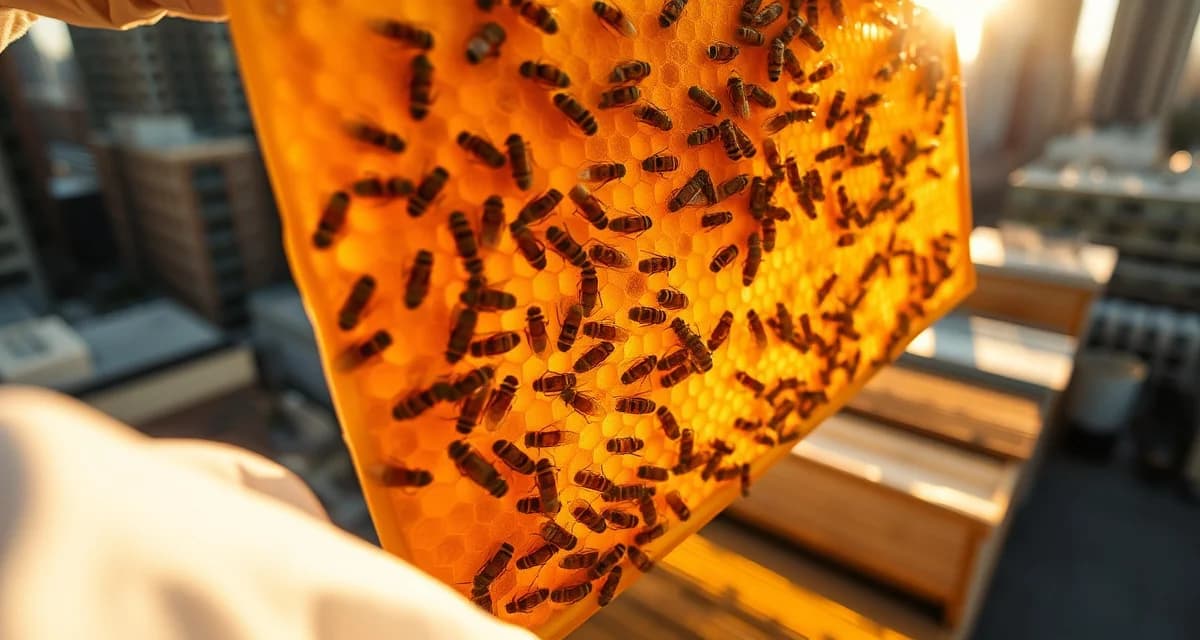
Varroa Management for Urban Beekeepers: City Hives and Mite Pressure
Urban apiaries with 5 or more colonies within 100 meters have higher mite transfer rates via robbing and drifting. That's the defining characteristic of urban varroa management: you're not just managing mites in your own colonies. You're managing the mite consequences of everyone else's management decisions within your flight radius.
In a rural setting, a well-managed apiary can maintain low mite levels for weeks after a good treatment. In a city, that same apiary may be importing mites from unmanaged colonies, undertreated neighbors, and high-mite swarms within 2-3 weeks of treatment.
TL;DR
- This guide covers key aspects of varroa management for urban beekeepers: city hives and mite
- Mite monitoring should happen at minimum every 3-4 weeks during active season
- The 2% threshold in spring/summer and 1% in fall are standard action points based on HBHC guidelines
- Always run a pre-treatment and post-treatment mite count to calculate efficacy
- Treatment records including product name, EPA number, dates, and counts are required for state inspection compliance
- VarroaVault stores all monitoring and treatment data with automatic threshold comparison and state export formatting
How Urban Beekeeping Affects Varroa Dynamics
Increased drift: Bees regularly enter hives that aren't their own. In urban environments where multiple hives are placed close together, drift rates increase. A drifting bee from a mite-infested colony carries those mites to your hive. You treat your colony thoroughly, and then drifting bees rebuild the mite population from outside sources.
Robbing events: When a nearby colony collapses or is weakened by mites, your bees may rob it. Robbing bees return to your hive loaded with mites from the dying colony. This is one of the fastest ways mite populations can spike after a good treatment.
Swarm capture unknowns: Urban apiaries often receive swarms from unknown source colonies. If you catch or receive an urban swarm, treat it for varroa promptly, because you don't know the mite history of the parent colony.
Higher beekeeper density: Urban beekeeping has grown rapidly, but not all urban beekeepers monitor and treat consistently. In any city neighborhood, there are likely undertreated or unmonitored colonies within a mile of any urban apiary. Those colonies are a permanent mite reservoir that affects everyone nearby.
Urban Varroa Monitoring Schedule
The standard 4-6 week monitoring interval is too slow for urban environments. In the city, count every 3 weeks during your active season.
Spring (April-May): First count as brood rearing builds. Establish your baseline.
June-September: Count every 3 weeks. Watch for counts that climb rapidly after treatment, which indicates reinfestation rather than treatment failure.
October-November: Fall preparation. Colonies going into winter above 1% in urban environments face double jeopardy: high mite loads and continued reinfestation from urban neighbors who haven't prepared their colonies properly.
After any treatment, do a post-treatment count at 3 weeks rather than the standard 4 weeks. Urban reinfestation can push counts back toward threshold in 3 weeks, and catching that early gives you time to respond.
Reducing Mite Transfer in Dense Urban Apiaries
Some things within your control:
Reduce robbing attractants: Entrance reducers during nectar dearth, no open syrup containers near the hives, close dead colonies immediately.
Maintain strong colonies: A strong colony resists robbing and has better hygienic behavior that reduces mite transfer acceptance.
Coordinate with nearby beekeepers: If you can identify beekeepers within a quarter mile, share information about treatment timing. Coordinated treatment windows where all nearby beekeepers treat at the same time reduce the neighborhood mite reservoir for everyone.
Treat promptly: In urban environments, there's no value in watching a rising count for two weeks before deciding to treat. Rising counts in urban apiaries rebound faster than in rural environments. Treat at the lower end of the threshold rather than the upper.
VarroaVault's urban beekeeper mode accounts for high-density apiary environments in its reinfestation risk scoring. The dashboard shows a reinfestation risk flag for urban zip codes and adjusts monitoring interval recommendations accordingly.
For guidance on the specific challenges of rooftop apiary management, see our varroa management for rooftop beekeeping guide. For community and shared apiary dynamics, the varroa management for community garden hives article covers multi-beekeeper coordination.
The varroa management for New York City page covers the largest US urban beekeeping market with city-specific guidance.
The varroa reinfestation from drifting and robbing article covers the science of how mites move between colonies.
Frequently Asked Questions
How does urban beekeeping affect varroa management?
Urban environments increase mite transfer rates through greater drift and robbing frequency, create a persistent mite reservoir from undertreated or unmonitored neighbor colonies, and reduce the recovery period after treatment. Urban beekeepers need to monitor more frequently (every 3 weeks vs. 4-6 weeks standard), respond to threshold breaches more quickly, and accept that some mite rebuilding after treatment is normal in dense environments.
What varroa treatments are appropriate for urban beekeepers?
All standard treatments are appropriate. Treatment selection should be based on season, temperature, and brood status as usual. The difference for urban beekeepers is in frequency and post-treatment follow-up. Given elevated reinfestation risk, post-treatment counts at 3 weeks (rather than 4-6) catch reinfestation events early. treatment rotation is important to prevent resistance in any beekeeping environment, including urban.
How do I reduce varroa drift in a dense urban apiary?
Use entrance reducers to minimize robbing opportunities. Orient hive entrances in different directions to reduce bee drift between hives in the same apiary. Maintain strong colonies. Connect with neighboring beekeepers to coordinate treatment timing, reducing the neighborhood mite reservoir. Treat promptly when counts rise rather than watching a trend for additional weeks before deciding.
How do I know if my varroa treatment is working?
Run a mite count 2-4 weeks after the treatment ends and compare it to your pre-treatment count. The efficacy formula is: ((pre-count - post-count) / pre-count) x 100. A result above 90% indicates effective treatment. Results below 80% should trigger investigation for possible resistance, application error, or reinfestation. Log both counts in VarroaVault to track efficacy trends across treatment cycles.
How often should I check mite levels in my hives?
At minimum, once per month (every 3-4 weeks) during the active season. Increase to every 2 weeks when counts are near threshold or after a treatment to verify it worked. In fall, monitoring frequency matters most because the window to treat before winter bees are raised is narrow. VarroaVault's monitoring reminders can be set to your preferred interval for each apiary.
What records should I keep for varroa management?
Each record should include: date of count or treatment, hive identifier, monitoring method used, number of bees sampled, mites counted, infestation percentage, treatment product name and EPA registration number, dose applied, treatment start and end dates, and PHI end date. State apiarists typically expect this level of detail during inspections. VarroaVault captures all of these fields in a single log entry.
What is Varroa Management for Urban Beekeepers: City Hives and Mite Pressure?
Varroa Management for Urban Beekeepers: City Hives and Mite Pressure is a practical guide addressing the unique mite challenges faced by city beekeepers. Unlike rural apiaries, urban hives contend with constant mite reinfestation from neighboring colonies through bee drifting and robbing. The guide covers monitoring schedules, treatment thresholds, efficacy testing, and record-keeping requirements—giving urban beekeepers a framework to manage not just their own mite levels, but the ongoing pressure created by the broader urban beekeeping environment within their bees' flight radius.
How much does Varroa Management for Urban Beekeepers: City Hives and Mite Pressure cost?
Varroa management itself is not a paid product—it is a set of practices every beekeeper must follow. However, tools like VarroaVault help streamline the process at no prohibitive cost by storing monitoring data, automating threshold comparisons, and formatting records for state inspection compliance. The real cost of poor varroa management is colony loss, which makes investing in consistent monitoring and treatment far more economical than replacing hives and equipment after a mite-driven collapse.
How does Varroa Management for Urban Beekeepers: City Hives and Mite Pressure work?
Urban varroa management works by establishing a frequent monitoring routine—at minimum every 3-4 weeks during active season—using alcohol wash or sugar roll methods to count mites per 100 bees. When counts exceed 2% in spring or summer, or 1% in fall per HBHC guidelines, a treatment is applied. A post-treatment count confirms efficacy. In urban settings, this cycle repeats more frequently because treated hives can be reinfested within 2-3 weeks from unmanaged or undertreated colonies in the surrounding area.
What are the benefits of Varroa Management for Urban Beekeepers: City Hives and Mite Pressure?
The core benefit is colony survival. Urban beekeepers who follow structured varroa management protocols protect their hives from the compounding mite pressure unique to city environments. Additional benefits include state inspection compliance through proper treatment records, objective data-driven decision making instead of guesswork, and early detection of rising mite loads before they reach damaging levels. Using a platform like VarroaVault adds automatic recordkeeping and threshold alerts, reducing the administrative burden while keeping every hive's history organized and exportable.
Who needs Varroa Management for Urban Beekeepers: City Hives and Mite Pressure?
Any beekeeper keeping hives in an urban or suburban environment needs this approach—particularly those within areas where 5 or more colonies exist within 100 meters. City beekeepers, rooftop apiarists, community garden beekeepers, and hobbyists in dense neighborhoods are all affected by shared mite pressure. Even highly skilled beekeepers with well-managed hives will face faster mite reinfestation in urban settings, making consistent monitoring and treatment essential regardless of experience level or how clean their own management practices are.
Sources
- American Beekeeping Federation (ABF)
- USDA ARS Bee Research Laboratory
- Honey Bee Health Coalition
- Penn State Extension Apiculture Program
- Project Apis m.
Get Started with VarroaVault
The information in this guide is most useful when you have your own mite count data to apply it to. VarroaVault stores every count, flags threshold crossings automatically, and builds the treatment history you need for state inspections and effective management decisions. See pricing and free tools at varroavault.com.